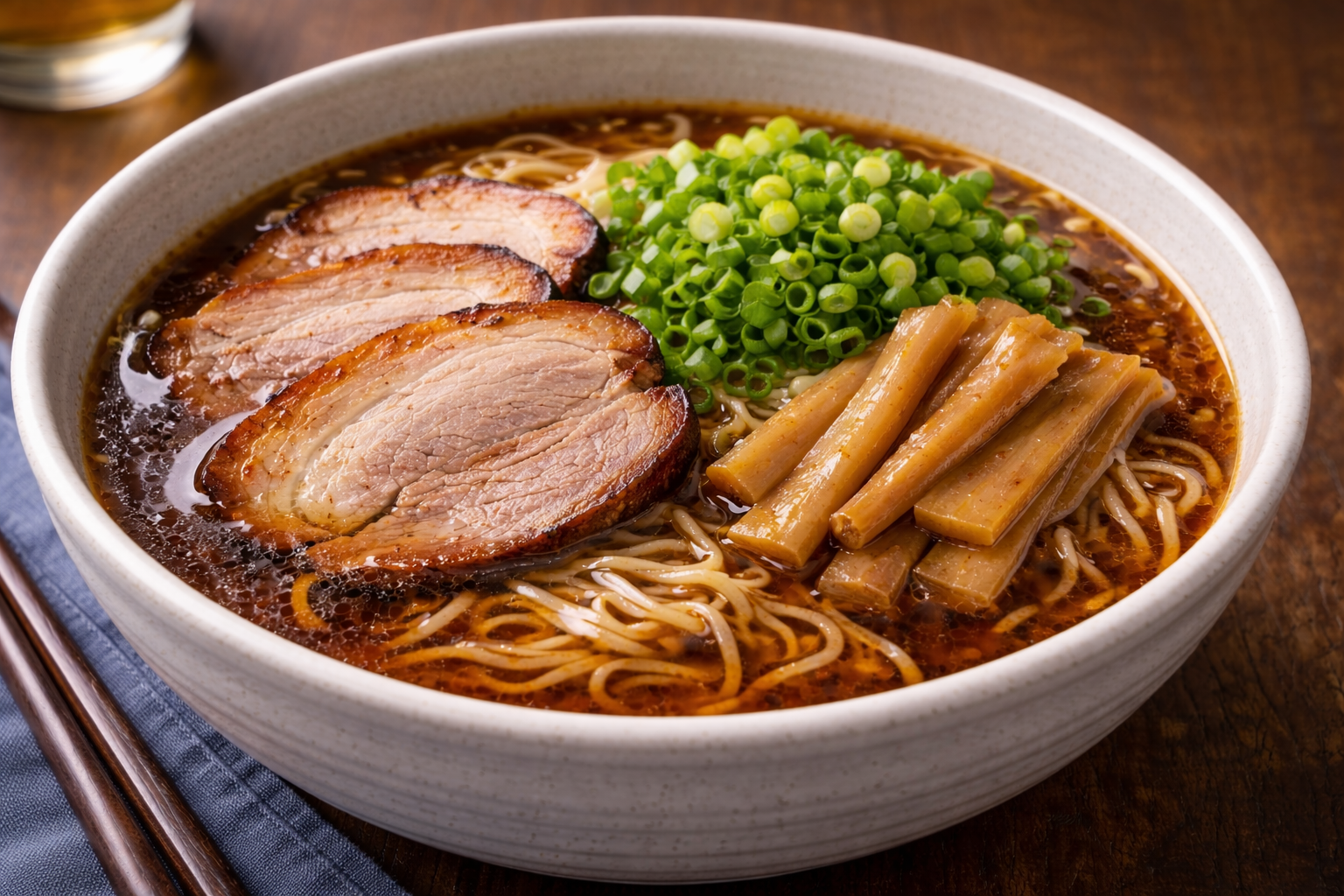
札幌味噌ラーメン
Sapporo Miso Ramen
Broth
Noodles
Toppings
Rich, hearty, savory miso-based broth with deeper body and cold-weather comfort
One of Japan's most famous regional ramen styles and a defining bowl of Hokkaido
An interactive visual guide to Japan through its most iconic regional ramen styles. From the miso-rich bowls of Hokkaido to the creamy tonkotsu of Kyushu.
Each region of Japan has developed its own distinct ramen identity, shaped by local ingredients, climate, history, and taste preferences. From the butter-enriched miso bowls of snowy Hokkaido to the rich, pork-bone broths of tropical Kyushu.
This is a north-to-south journey through Japan's most celebrated regional ramen styles. Not a ranking, but an atlas. A map of flavor, tradition, and place.

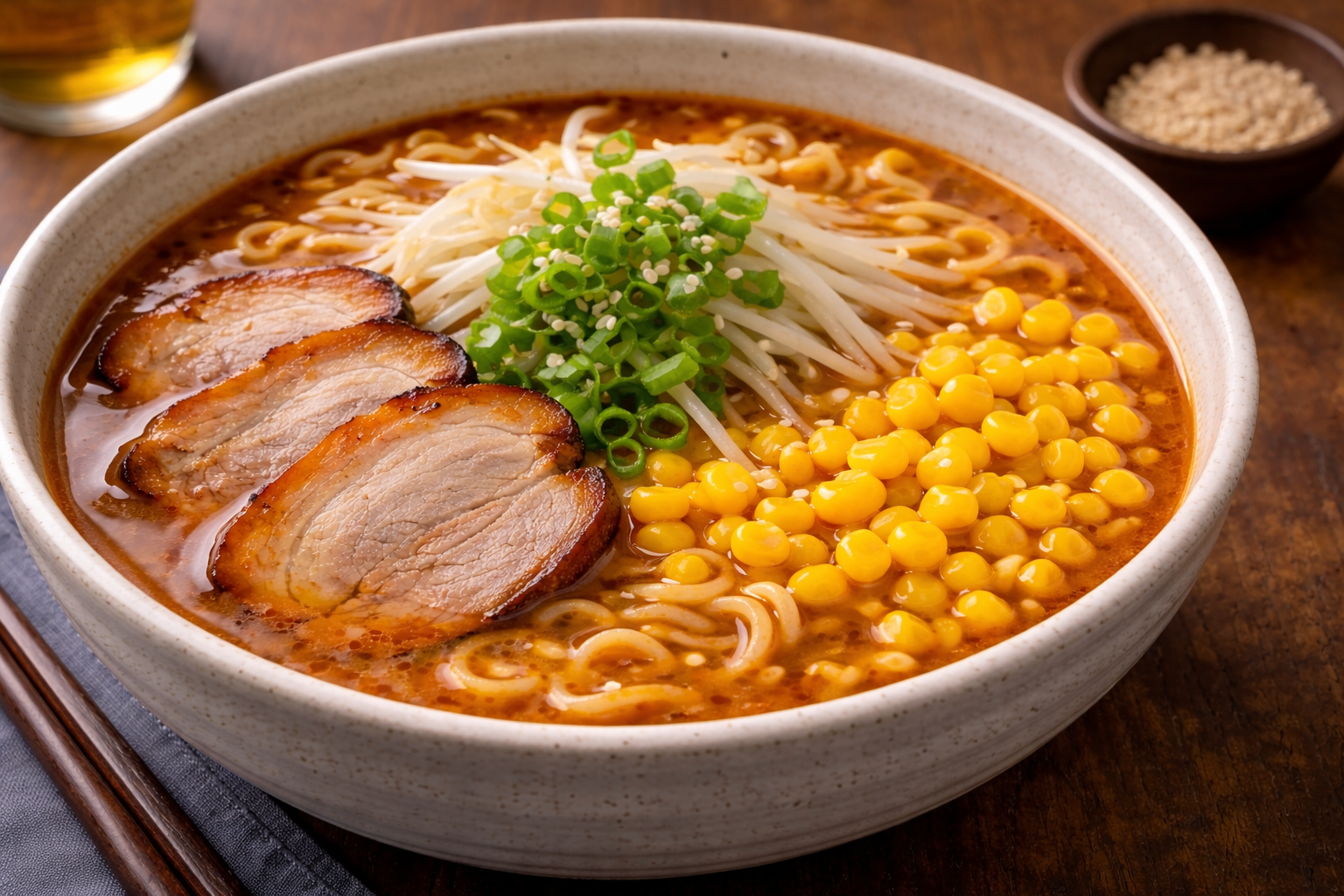
Sapporo Miso Ramen
Rich, hearty, savory miso-based broth with deeper body and cold-weather comfort
One of Japan's most famous regional ramen styles and a defining bowl of Hokkaido

Asahikawa Ramen
Soy-forward broth layered with deeper stock richness and often protected by a surface oil layer for heat retention
A cold-climate ramen style known for depth, warmth, and concentrated flavor

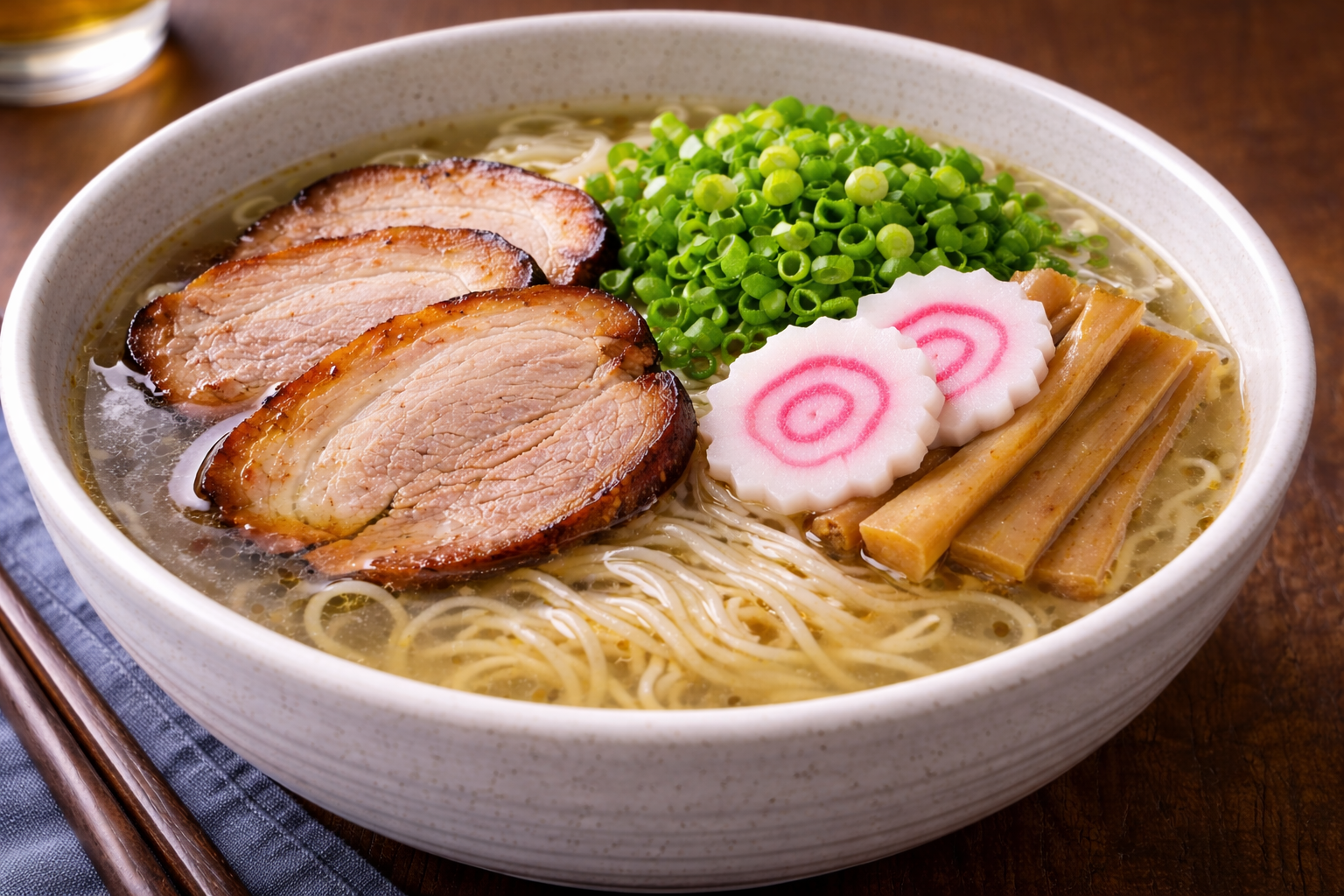
Hakodate Shio Ramen
Light, clear, delicate salt-based broth with a clean finish
A gentler Hokkaido expression that contrasts beautifully with heavier northern bowls

Muroran Curry Ramen
Savory ramen broth infused with warm Japanese curry flavor
A distinctive local specialty that adds a more unexpected flavor profile to the northern journey
A regional ramen culture with strong local identity and seasonal cold-ramen associations

Kitakata Ramen
Light soy-based broth with balance and clarity
One of Japan's classic regional ramen traditions, celebrated for its noodles as much as its broth
Known for chewy hand-kneaded curly noodles and a rich soy-based style

Tokyo Shoyu Ramen
Clean soy-based broth often layered with chicken and dashi notes
The archetypal Tokyo bowl and an important reference point in Japan's broader ramen story

Sano Ramen
Gentle soy-based broth with a clean old-school profile
Known for bamboo-kneaded noodle craft and a classic, understated style

Toyama Black Ramen
Intensely dark soy-based broth with bold salinity and punch
One of the most visually dramatic regional ramen styles in Japan

Onomichi Ramen
Light soy-based broth with seafood notes and floating pork fat for richness
A Seto Inland Sea style that balances delicacy and richness

Wakayama Ramen
Pork-based broth blended with soy depth for a savory, rounded profile
Often known locally as chuka soba, this style adds a distinct Kansai-area variation to the journey

Tokushima Ramen
Deeply savory broth with soy and pork richness
A powerful Shikoku style often associated with darker broth and sweet-savory depth
Served in an earthenware pot, giving the style a distinctive vessel and local character

Hakata Ramen
Creamy, cloudy pork-bone broth with rich body
One of the most globally recognized ramen styles, famous for firm noodles and kaedama refills
A closely related local variant in the Hakata-tonkotsu family
Birthplace of tonkotsu ramen

Kumamoto Ramen
Creamy pork-based broth with strong aromatic garlic presence
A Kyushu variation that distinguishes itself with garlic-forward character

Kagoshima Ramen
Rounded broth that often feels softer and more layered than classic tonkotsu-heavy bowls
A southern Kyushu style that broadens the ramen story beyond the most famous tonkotsu lineage
札幌味噌ラーメン
Sapporo Miso Ramen • Sapporo
Beyond the Bowl
These essential formats expand the definition of ramen culture, offering distinct experiences that complement the traditional bowl.
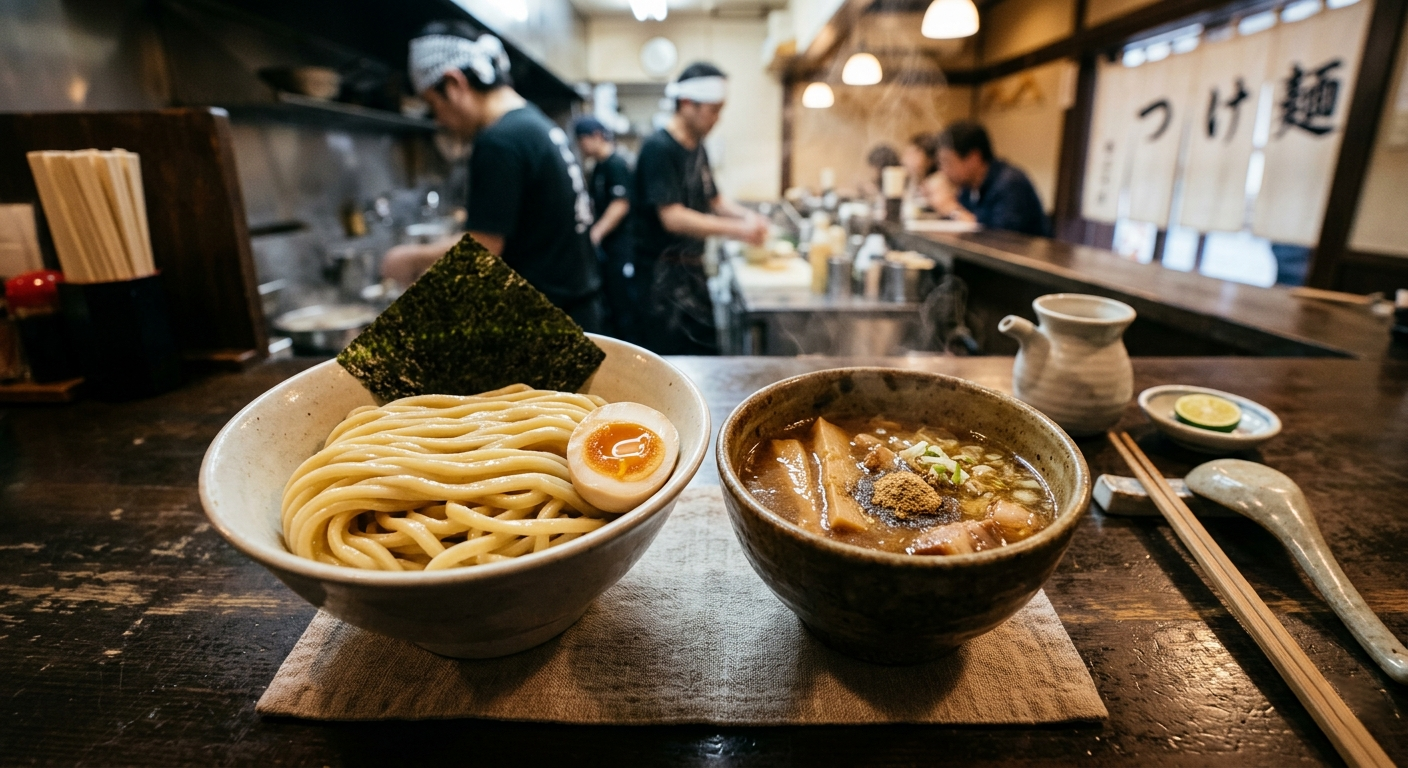
Tsukemen
Noodles served separately from a concentrated dipping broth
Invented in 1961 by Kazuo Yamagishi—the "God of Ramen"—at Tokyo's Taishoken, tsukemen revolutionized how Japan thinks about noodles by separating them from broth entirely
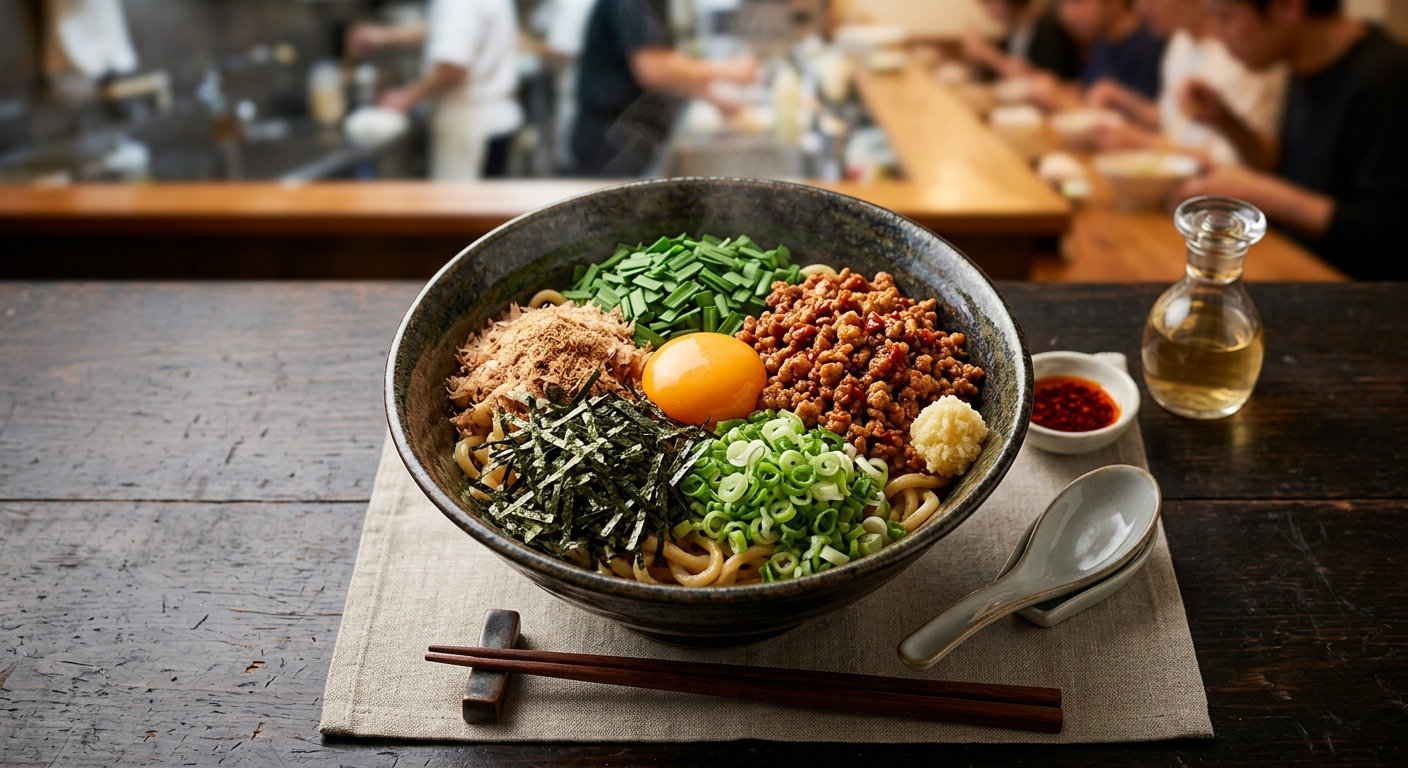
Mazesoba
Brothless mixed noodles with bold sauce, toppings, and strong flavor concentration
Born in 2008 at Nagoya's Menya Hanabi when a failed broth experiment led to mixing spicy Taiwan-style pork directly with noodles, creating a new genre of brothless ramen
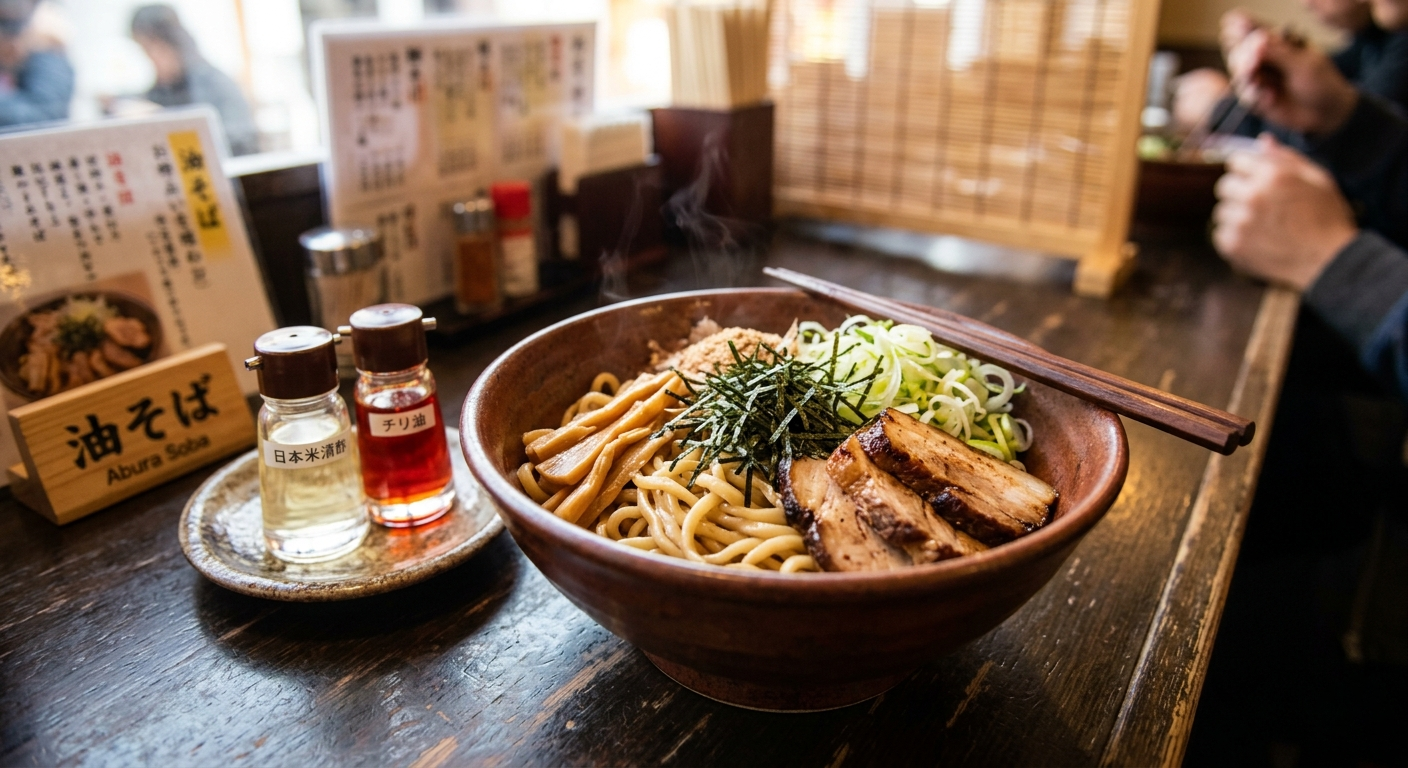
Abura Soba
Oil-sauced noodles with little or no broth, designed to be mixed before eating
Emerging from 1950s Tokyo as affordable sustenance for workers, abura soba predates the modern tsukemen movement and represents ramen's oldest brothless tradition
Each bowl tells the story of its place—shaped by climate, history, local ingredients, and the people who make it.
いただきます
Itadakimasu
An interactive visual guide to Japan's regional ramen culture
ramenlife.com